

Understanding Incoterms DDU 2022 for Wholesale Manufacturers
Navigating the complexities of international trade can be a challenge, but understanding Incoterms DDU 2022 makes it easier, especially for wholesale transactions. I’ve seen firsthand how clarity in shipping responsibilities enhances relationships between manufacturers and buyers. With DDU (Delivered Duty Unpaid), you as the buyer can better manage your costs and logistics, knowing that the supplier handles delivery to your specified location without covering import duties. This can streamline your sourcing process, allowing you to focus on scaling your business. In my experience, working with manufacturers who are well-versed in these terms leads to smoother transactions and fewer surprises. Plus, you gain a better grip on shipping timelines and regulations, ensuring your supply chain stays efficient. Embrace the benefits of clear communication and established terms when dealing with international suppliers to enhance your purchasing strategy. Simplify your procurement today, and let’s create partnerships that foster growth and reliability.


Incoterms Ddu 2022 Service Sets the Industry Standard
In the ever-evolving landscape of global trade, the introduction of the Incoterms DDU (Delivered Duty Unpaid) 2022 has set a new benchmark for businesses seeking clarity and efficiency in their logistics operations. Understanding DDU is crucial for procurement professionals as it defines the responsibilities between buyers and sellers, ultimately streamlining the shipping process. By clarifying risk transfer and cost obligations, DDU empowers businesses to make informed decisions, which can lead to enhanced reliability in supply chain management. Procurement is increasingly focused on transparency and predictability. With DDU, sellers take on the initial logistics responsibilities up to the destination, but do not cover import duties, presenting buyers with a clear delineation of costs. This framework is particularly beneficial for international buyers who may not have the expertise or resources to navigate the complexities of customs in foreign markets. It encourages a smoother transactional process, allowing procurement teams to focus on core business functions while maximizing the efficiency of their supply chain. Moreover, adopting the DDU 2022 standard fosters stronger partnerships between suppliers and buyers. By understanding the specifics of the Incoterm, both parties can work collaboratively to mitigate potential delays and optimize delivery timelines. Companies embracing these enhanced practices are likely to outperform competitors, establishing themselves as leaders in a global marketplace that demands agility and precision. As the industry shifts towards more coherent and dependable trade practices, the DDU framework heralds a new era of business relations grounded in mutual understanding and shared responsibility.
Incoterms Ddu 2022 Service Sets the Industry Standard
| Shipping Method | Delivery Location | Documentation Required | Insurance Coverage | Typical Transit Time |
|---|---|---|---|---|
| Air Freight | Airport | Air Waybill | Optional | 1-3 days |
| Sea Freight | Port | Bill of Lading | Optional | 10-30 days |
| Road Transport | Warehouse | CMR Document | Recommended | 2-5 days |
| Rail Freight | Rail Terminal | Railway Bill | Optional | 5-14 days |
Related Products


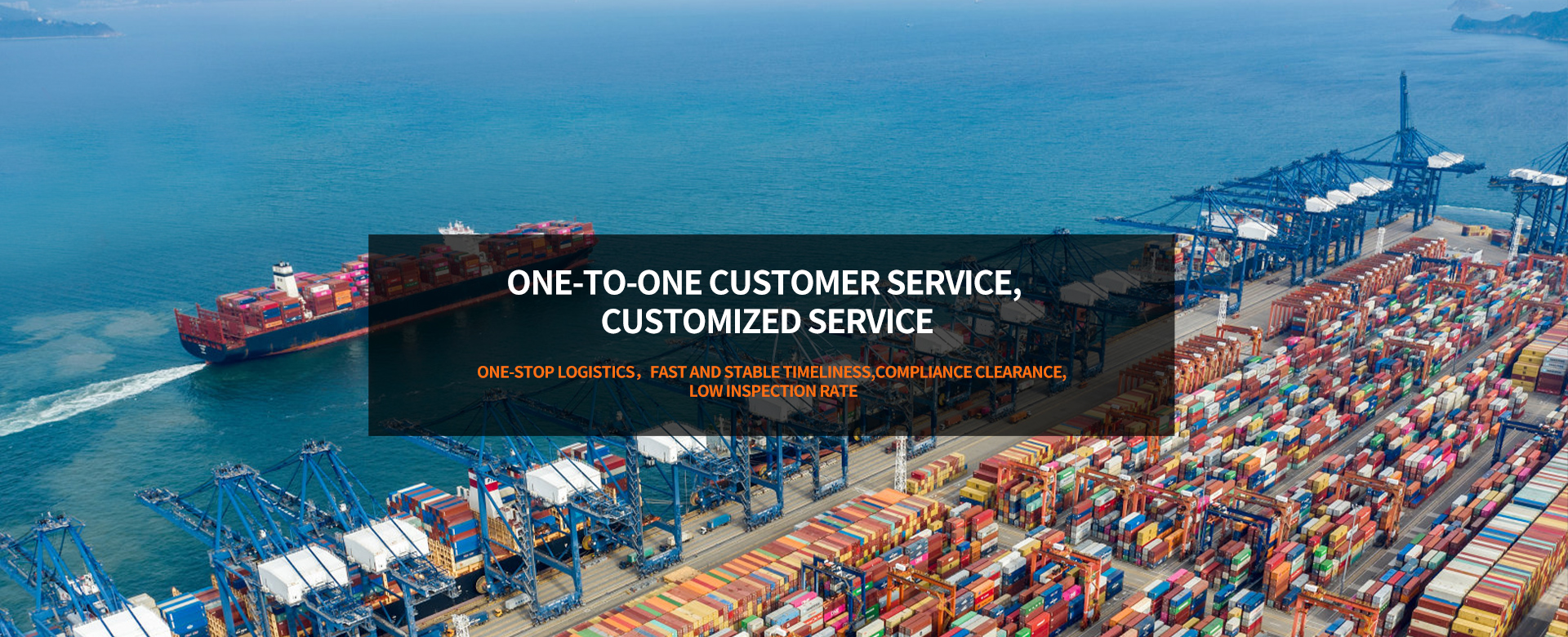
Incoterms Ddu 2022 Exceeds Industry Benchmarks More Than a Supplier - A Partner
Top Selling Products

- Related Blog
- Reviews

-

Phone
-

E-mail
-

Whatsapp
whatsapp

+86 13632646894
-

WeChat

+86 17898460377
-
WeChat

-

Top