

Sea Freight Calculation for OEM Suppliers: Optimize Your Shipping Costs
When it comes to efficient cost management in logistics, I trust our Sea Freight Calculation tool to give me the best insights. As a B2B purchaser dealing with OEMs and various suppliers, I find it crucial to get accurate estimations on shipping costs. This tool not only simplifies the calculation process but also helps me make informed decisions that align with my budget and timeline. With our easy-to-use interface, I can quickly input necessary details to assess costs related to distance, weight, and even supplier quotes. It saves me time and reduces the guesswork involved in budgeting for sea freight. Plus, it’s designed to give me a transparent overview of all potential fees, ensuring there are no surprises down the line. By leveraging our Sea Freight Calculation tool, I'm confident in my ability to manage logistics like a pro and maintain strong partnerships with my suppliers.


Sea Freight Calculation Application Dominates
In today's global marketplace, efficient logistics play a crucial role in driving business success. Sea freight remains one of the most cost-effective methods for transporting goods internationally, but calculating the costs involved can often be complex and time-consuming. That's where advanced sea freight calculation applications come into play. These tools empower businesses, particularly global purchasers, with the ability to quickly assess shipping costs based on various parameters, including cargo weight, dimensions, origin, and destination. By leveraging technology, businesses can gain a competitive advantage through accurate forecasting of logistics expenses. This capability helps procurement officers more effectively manage budgets and negotiate better terms with suppliers and freight forwarders. Moreover, real-time data insights allow for more informed decision-making, fostering a more agile supply chain. As global demand continues to evolve, tools that streamline operational processes will be essential for maintaining efficiency and profitability. With the right sea freight calculation application, companies can simplify their logistics operations, reduce shipping costs, and ultimately improve their bottom line. As the demand for international trade increases, embracing technological solutions will be vital for companies aiming to thrive in an ever-changing global economic landscape.
Sea Freight Calculation Application Dominates
| Origin Port | Destination Port | Container Size | Weight (kg) | Transit Time (days) | Status |
|---|---|---|---|---|---|
| Shanghai | Los Angeles | 20ft | 2000 | 14 | In Transit |
| Hamburg | New York | 40ft | 4000 | 10 | Delivered |
| Tokyo | Toronto | 20ft | 1800 | 12 | Pending |
| Singapore | Sydney | 40ft | 3500 | 15 | In Transit |
| Antwerp | Cape Town | 20ft | 2500 | 18 | Delivered |
Related Products


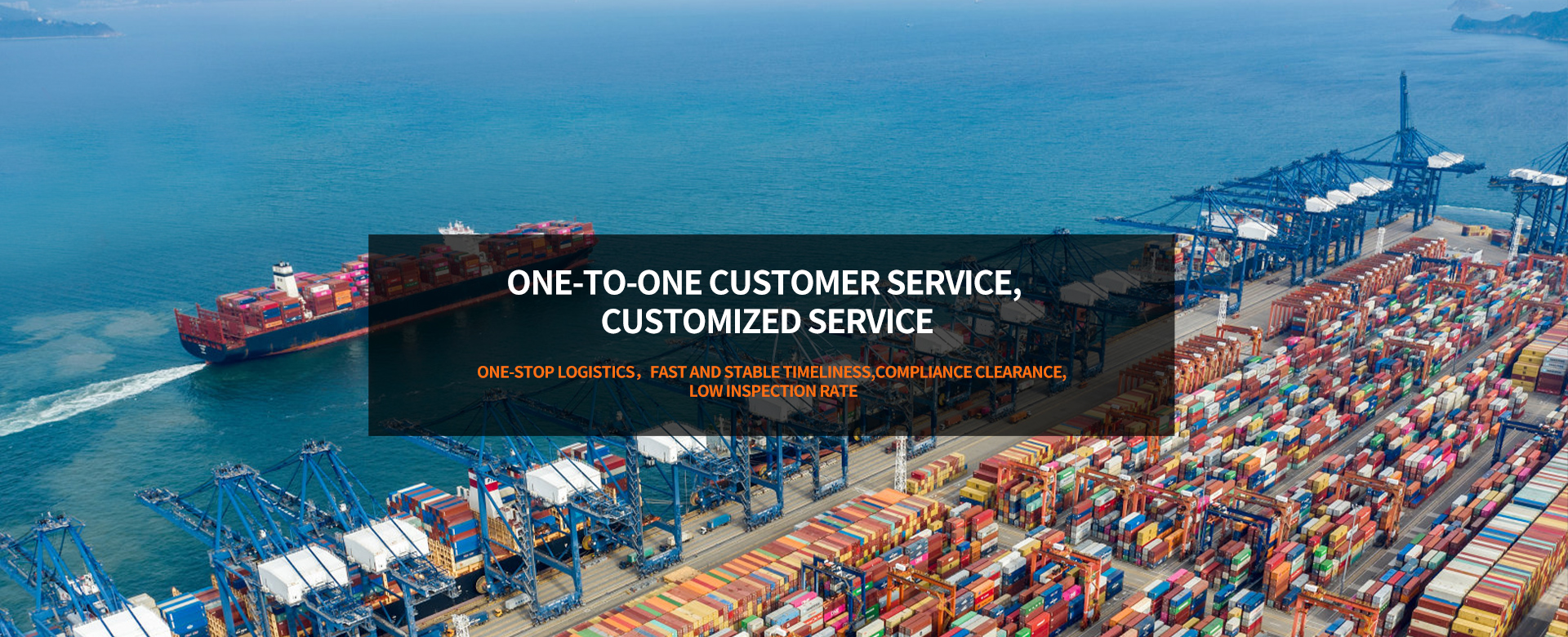
Sea Freight Calculation Stands Out Now Trending
Top Selling Products


- Related Blog
- Reviews

-

Phone
-

E-mail
-

Whatsapp
whatsapp

+86 13632646894
-

WeChat

+86 17898460377
-
WeChat

-

Top