

Custom Sea Freight Cost Estimator for Factories: Get Accurate Quotes
As someone who understands the complexities of shipping logistics, I know how crucial it is to accurately estimate sea freight costs. That’s why we’ve developed our Sea Freight Cost Estimator, perfectly tailored for custom needs and factory shipments. With just a few simple inputs, you can get a clear picture of your shipping expenses, helping you make informed decisions and budget wisely. Navigating the waters of international shipping can be tough, especially when managing multiple factories and product lines. Our tool streamlines this process, allowing you to compare costs, track trends, and plan your logistics efficiently. Whether you’re a small business or a large manufacturer, having that detailed cost breakdown at your fingertips will enable you to optimize your supply chain. Give our Sea Freight Cost Estimator a try, and take the guesswork out of your shipping costs today!


Sea Freight Cost Estimator Sets the Industry Standard Supplies the World\u2019s Top Brands
In the fast-paced world of global trade, sea freight costs can significantly impact a company's bottom line. Understanding these costs and how to estimate them is crucial for procurement professionals aiming to optimize their supply chain operations. A reliable sea freight cost estimator not only simplifies the complexity of shipping logistics but also sets a benchmark in the industry by enabling businesses to make informed financial decisions. These estimators consider various factors such as origin and destination ports, cargo dimensions, and service types, ensuring that buyers receive accurate quotations that reflect real-time market conditions. For companies sourcing products internationally, leveraging a top-tier sea freight cost estimator can lead to substantial savings and efficient planning. By gaining insights into shipping costs, procurement teams can better strategize their purchasing decisions, negotiate with suppliers more effectively, and ultimately enhance their competitiveness in the marketplace. Additionally, understanding freight costs allows businesses to accurately budget and forecast expenses associated with importing goods, providing a clearer picture of potential margins. Moreover, incorporating advanced estimating tools can streamline the procurement process, enabling companies to focus more on their core operations rather than spending excessive time on logistical calculations. As global trade continues to evolve, those who utilize innovative solutions to estimate sea freight costs will not only achieve operational efficiency but will also strengthen their relationships with partners and suppliers worldwide. Embracing these tools positions businesses to thrive in an increasingly interconnected market.
Sea Freight Cost Estimator Sets the Industry Standard Supplies the World’s Top Brands
| Dimension | Value |
|---|---|
| Route | Asia to North America |
| Container Type | 40’ HC |
| Estimated Transit Time | 30 days |
| Average Cost per Container | $3,000 |
| Insurance Rate | 0.5% |
| Customs Clearance Time | 3 days |
| Volume Capacity | 67.7 cbm |
| Weight Capacity | 30,480 kg |
Related Products


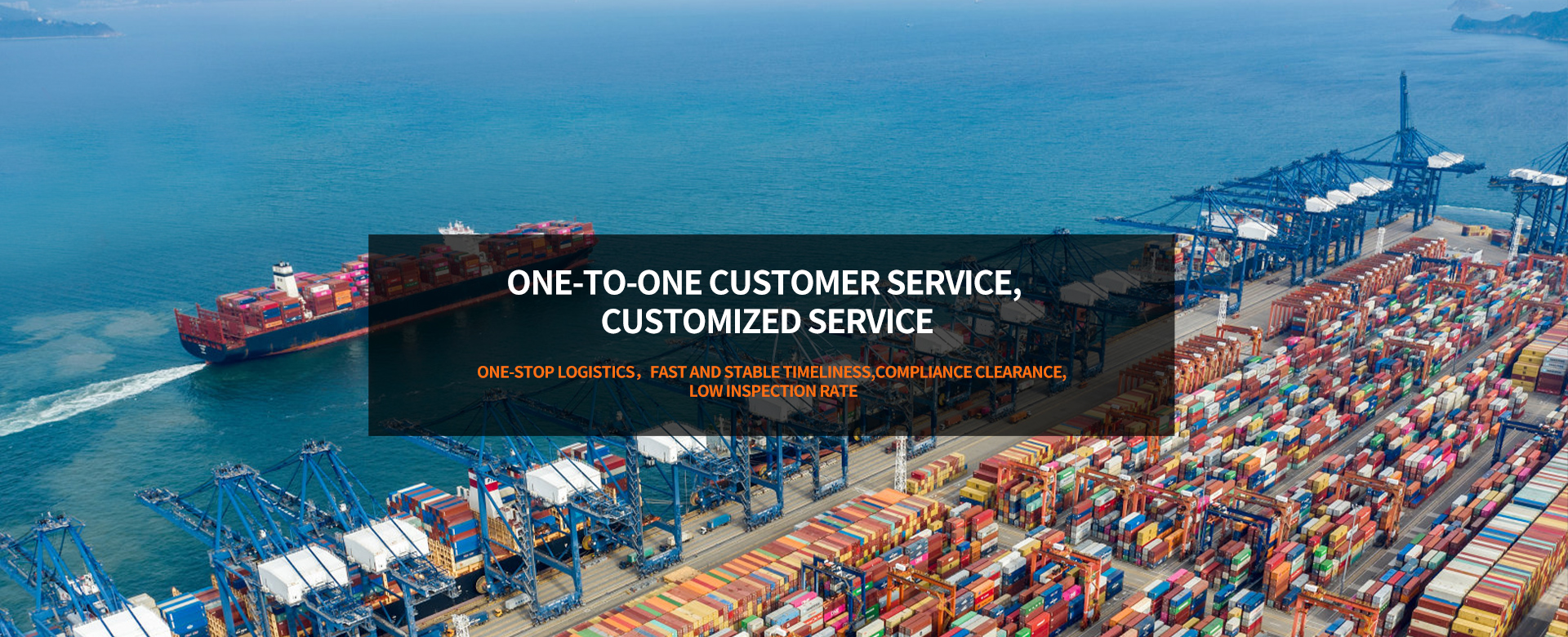
Sea Freight Cost Estimator Market Leader More Than a Supplier - A Partner
Top Selling Products


- Related Blog
- Reviews

-

Phone
-

E-mail
-

Whatsapp
whatsapp

+86 13632646894
-

WeChat

+86 17898460377
-
WeChat

-

Top