

Wholesale Shipping Via Sea: Reliable Options for Manufacturers
Shipping via sea is a game changer for businesses like mine, especially when sourcing products from manufacturers. I've found that opting for wholesale shipping not only makes logistics smoother but also drastically cuts down costs. By choosing this method, I can access a broader range of manufacturers across the globe, ensuring I get the best quality at competitive prices. With sea freight, I don’t have to worry about rushing to meet tight deadlines; it allows me to plan my inventory more effectively. I've experienced firsthand how reliable shipping via sea can be, ensuring that my products arrive safely and on time. Whether you're just starting out or scaling your operations, it's a reliable solution for transporting goods in bulk. You can trust that sea freight offers both affordability and efficiency, making it an essential part of my supply chain strategy. Let's make your wholesale purchases seamless together!


Shipping Via Sea Dominates Winning in 2025
As we approach 2025, the landscape of global trade is evolving at an unprecedented pace. Shipping via sea is set to dominate the logistics industry, offering unparalleled advantages for businesses looking to enhance their competitive edge. Sea freight not only ensures cost efficiency but also provides a reliable solution for transporting bulk goods across vast distances. For global buyers seeking to optimize their supply chain operations, leveraging maritime shipping can lead to significant savings and improved delivery timelines. With advancements in technology and logistics management, the sea freight process has become more streamlined. Real-time tracking and enhanced container management systems are enabling better visibility and control over shipments. Buyers can now plan their inventory more effectively, making it easier to respond to market demands and fluctuations. In a time when agility and responsiveness are key to success, embracing sea shipping can position businesses to react swiftly to consumer needs, ultimately driving growth and customer satisfaction. Furthermore, sustainability is becoming a crucial consideration in global procurement strategies. Shipping by sea generates a lower carbon footprint compared to other transportation modes. As companies shift towards greener practices, maritime logistics offers an eco-friendly alternative that aligns with global initiatives aimed at reducing environmental impact. By choosing sea freight, businesses not only contribute to a more sustainable future but also appeal to eco-conscious consumers, thus enhancing their brand reputation in a competitive marketplace.
Shipping Via Sea Dominates Winning in 2025
| Region | Total Shipping Volume (Million Tons) | Percentage of Sea Freight (%) | Average Shipping Time (Days) | CO2 Emissions (Million Tons) |
|---|---|---|---|---|
| North America | 150 | 75 | 20 | 30 |
| Europe | 200 | 80 | 15 | 25 |
| Asia | 300 | 85 | 10 | 50 |
| South America | 100 | 70 | 25 | 15 |
| Africa | 50 | 60 | 30 | 10 |
Related Products


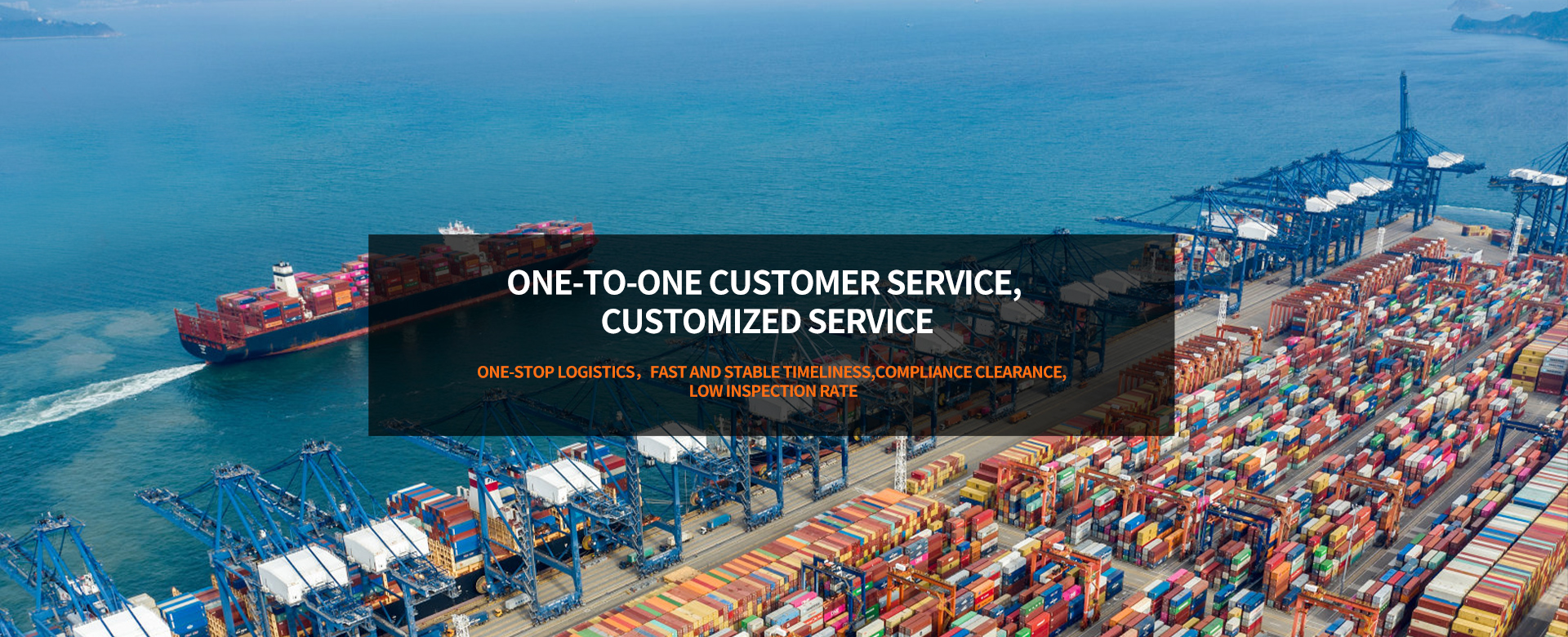
Shipping Via Sea Products Where Service Meets Innovation
Top Selling Products

- Related Blog
- Reviews

-

Phone
-

E-mail
-

Whatsapp
whatsapp

+86 13632646894
-

WeChat

+86 17898460377
-
WeChat

-

Top